✦ AI-generated review
The Fading Spark of Lightning
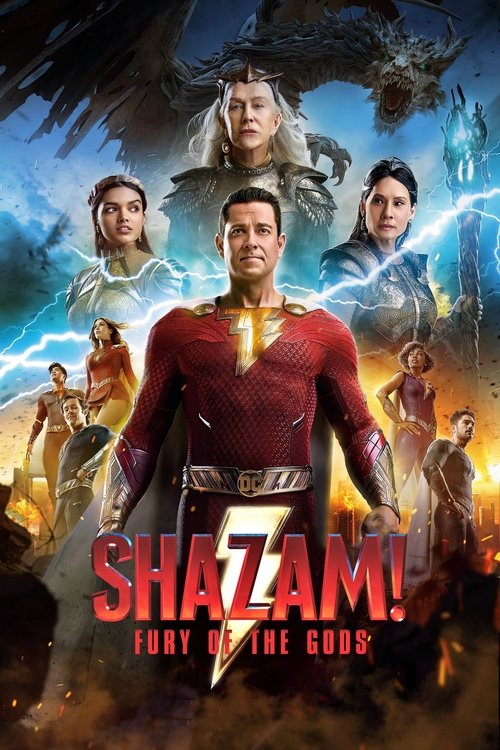
There is a distinct melancholy to the "lame duck" blockbuster—a film released into a cinematic universe that has already been publicly condemned to demolition. *Shazam! Fury of the Gods* (2023) arrived in theaters not as a triumphant chapter, but as a posthumous footnote to the DC Extended Universe. Yet, the tragedy of David F. Sandberg’s sequel is not merely its awkward timing within corporate restructuring; it is a fundamental misunderstanding of what made its predecessor endure. Where the 2019 original was an intimate, Spielbergian fable about foster care disguised as a superhero movie, this sequel surrenders to the very noise and digital clutter the first film so charmingly avoided.
Visually, Sandberg—a director with a sharp eye for texture in his horror work—seems stifled here by the mandate for "more." The film abandons the wintry, grounded Philadelphia aesthetic of the first entry for a muddy, mythological palette that feels curiously weightless. The introduction of the Daughters of Atlas (played by the overqualified trio of Helen Mirren, Lucy Liu, and Rachel Zegler) drags the narrative into generic high-fantasy territory, replacing personal stakes with world-ending sky beams and dragons. The visual language descends into a sludge of CGI, culminating in a third act that feels less like a climax and more like a mandatory fireworks display. There is perhaps no greater symbol of the film's artistic compromise than the widely derided sequence involving unicorns pacified by Skittles—a moment where the film’s "magic" is literally bought and paid for by product placement.
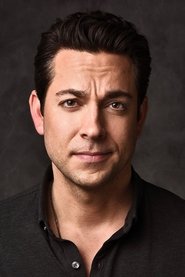
However, the film’s most fracturing fault line lies in its central performance. The "Shazam" concept relies on the body-swap charm of *Big*: a boy reacting to the world with adult power. In the first film, this was a discovery. In *Fury of the Gods*, it becomes a disconnect. Asher Angel, playing the teenage Billy Batson, imbues his few scenes with a grounded, moody anxiety appropriate for a kid aging out of the foster system. He is playing a seventeen-year-old dealing with abandonment and fear of the future. Conversely, Zachary Levi, as the superpowered alter-ego, plays the character as if he has regressed to age ten. Levi’s mugging, manic energy is no longer consistent with the boy he is supposed to be inhabiting. The emotional continuity breaks; we are watching two different characters who happen to share a name.
Despite the cacophony, there are faint pulses of the humanism that Sandberg clearly wants to protect. The "Shazamily"—Billy's foster siblings—remains a delightful ensemble, particularly Jack Dylan Grazer’s Freddy Freeman, whose chemistry with Zegler provides the film’s only authentic romantic pull. The narrative attempts to wrestle with "imposter syndrome," a worthy theme for a hero whose powers were given, not earned. But this internal struggle is repeatedly drowned out by the external demand for spectacle.
Ultimately, *Shazam! Fury of the Gods* collapses under the weight of its own obligation to be a "comic book movie." It attempts to scale up when it should have drilled down. It serves as a noisy memorial to the DCEU’s identity crisis: a film that possesses the power of the gods but forgets the wisdom of Solomon.