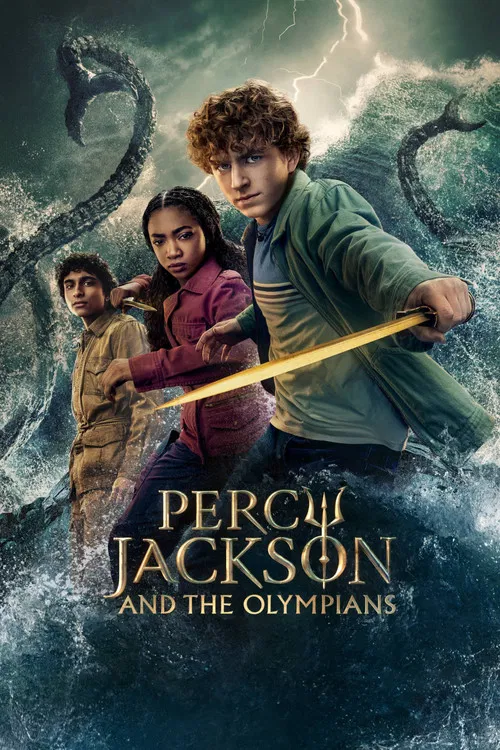
The Weight of a NameFor a generation raised on the promise that their eccentricities were actually superpowers, *Percy Jackson* is not merely a book series; it is a foundational myth. The 2023 Disney+ adaptation, *Percy Jackson and the Olympians*, arrives not as a simple retelling, but as a cultural corrective—a heavy-handed attempt to wash away the sins of the glitzy, hollow 2010 blockbuster films. Under the watchful eye of author Rick Riordan, this series rejects the aging-up and sexing-up of its Hollywood predecessor. Instead, it offers a visual language that is smaller, quieter, and infinitely more burdened by the melancholy of childhood.
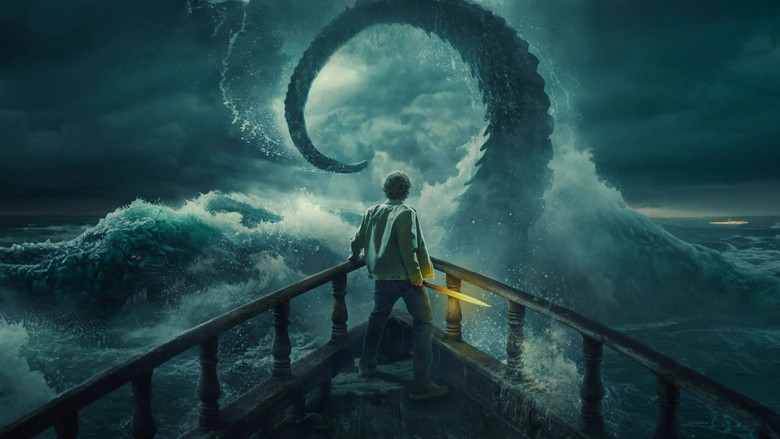
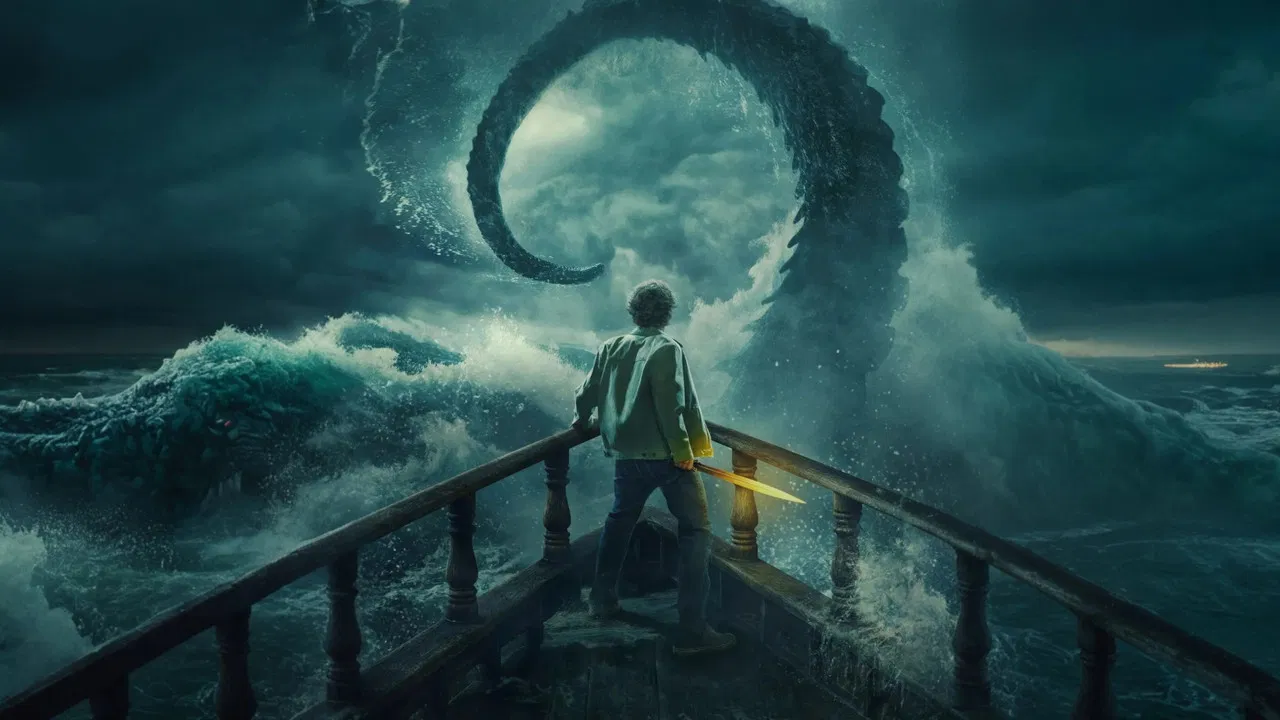
The visual landscape of the series is a fascinating contradiction. It operates within the polished, high-definition "Volume" technology (the same digital stagecraft used in *The Mandalorian*), which allows for breathtaking mythical vistas but occasionally traps the characters in a sterile, airless reality. The world of the gods does not feel expansive; it feels suffocatingly close, mirroring the claustrophobia of a twelve-year-old boy who feels the walls of expectation closing in. When Percy (Walker Scobell) battles the Minotaur in the rain or navigates the Underworld, the camera doesn't fetishize the violence. It stays low, grounding us in the terrifying fragility of a child’s body against immortal threats. This is not a superhero power fantasy; it is a survival story.

At the heart of the series is a radical empathy for the "troubled kid." Scobell, along with Leah Sava Jeffries (Annabeth) and Aryan Simhadri (Grover), delivers a performance that strips away the gloss of the genre. The central conflict here is not truly about Zeus’s stolen lightning bolt; it is about the trauma of absentee parents. The gods are depicted not as benevolent rulers, but as deadbeat dads and distant mothers, leaving their children to navigate a world they broke. The "monsters" are often tragic figures themselves—Medusa is reframed not just as a villain, but as a victim of divine caprice, a change that adds a layer of moral grayness the original text only hinted at.
However, the show’s noble intentions occasionally hamstring its narrative momentum. In its rush to be "smart" and subvert the traps of the Odyssey, the script often robs the characters of their journey. The trio frequently realizes they are in a trap (the Lotus Casino, the Crusty’s Waterbed Palace) before the audience has time to feel the danger. It is a show so terrified of treating its audience like children that it sometimes forgets to let its characters *be* children, stumbling and failing before they succeed.

Ultimately, *Percy Jackson and the Olympians* succeeds as a character study even when it stumbles as an adventure serial. It captures the specific, lonely ache of growing up different, offering a version of heroism that is defined not by strength, but by loyalty. It is a flawed, earnest, and deeply human adaptation that understands that the hardest quest isn't saving the world—it's forgiving the parents who made it.