✦ AI-generated review
The Abattoir of Adolescence
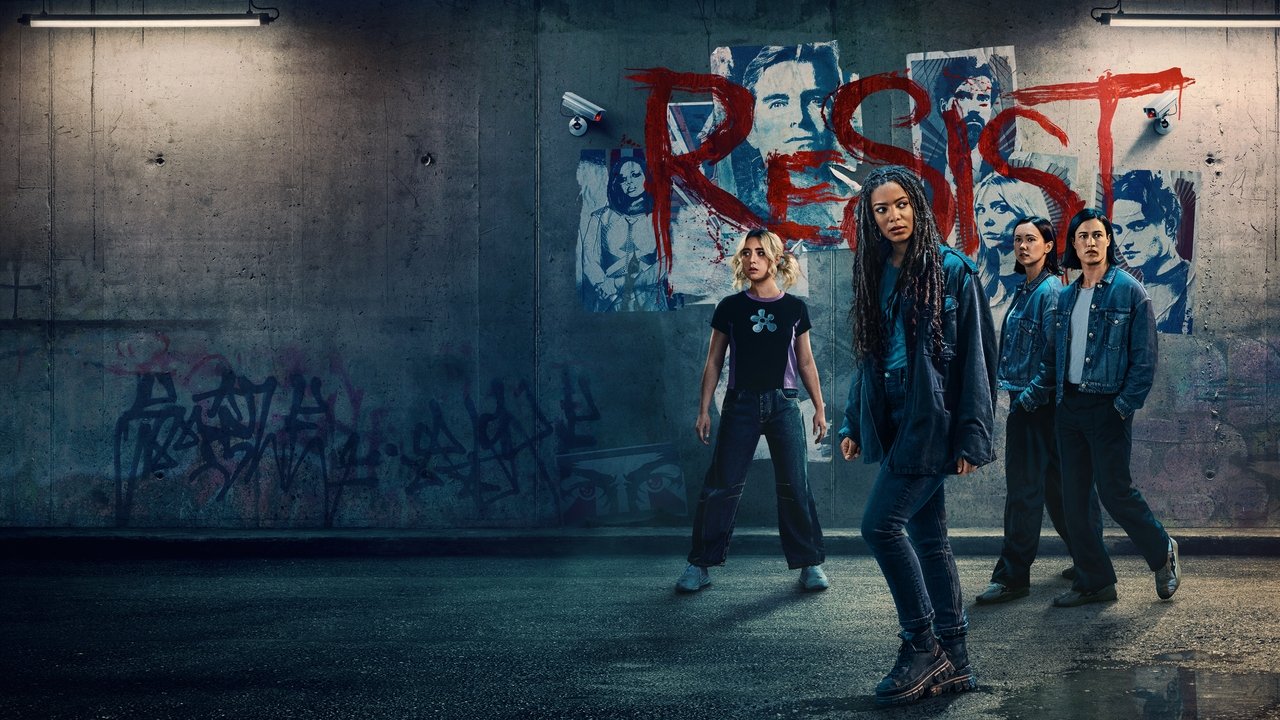
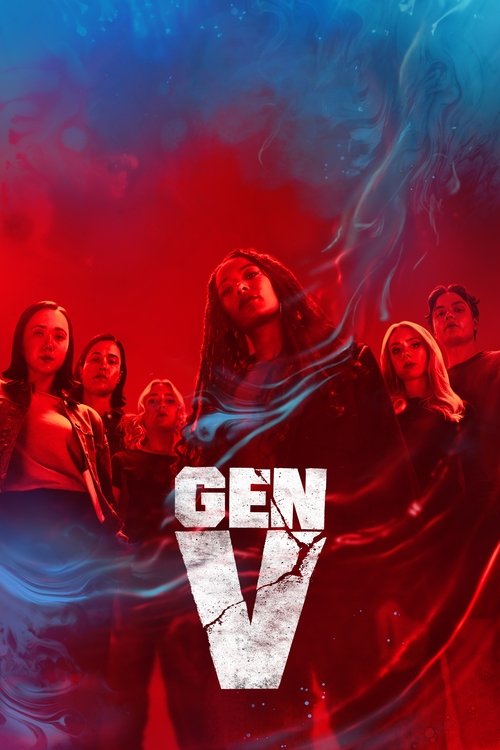
If the modern superhero genre is a study in fascism—dominated by gods who demand worship from the towers of steel and glass—then *Gen V* is its inevitable, bloody counter-text from the ground floor. Developed by Michele Fazekas and Tara Butters as an expansion of *The Boys* universe, this series abandons the cynical nihilism of its parent show for something far more tender and terrifying: the specific, suffocating horror of being young, gifted, and entirely owned by a corporation. It is not merely a "spin-off"; it is a campus tragedy disguised as a satire, exploring how institutions devour their children long before they have the chance to save anyone.
The setting is Godolkin University, an Ivy League-style incubator for the next generation of "supes." But where *The Boys* looks at the corruption of absolute power, *Gen V* looks at the corruption of aspiration. The visual language of the series is a jarring collision of high-gloss collegiate promotional materials and visceral body horror. The directors understand that to a teenager, the body is a traitor. This betrayal is literalized in the opening minutes of the series—a sequence that stands as one of the most shocking metaphors for puberty committed to screen. We witness the protagonist, Marie Moreau (Jaz Sinclair), discover her powers not through a triumphant flight, but through a weaponized menstruation that inadvertently slaughters her parents. It is a scene of Grand Guignol grotesquerie, yet it anchors the show in a profound psychological truth: growing up is a violent separation from the past, often leaving us with blood on our hands that we never asked for.
This somatic horror permeates the narrative. The series rejects the sanitized "energy beams" of traditional comic book fare in favor of powers that require a toll. The character of Emma (Lizze Broadway), who shrinks to the size of a cricket, does not do so via a magic button, but by purging food. Her "superpower" is inextricably linked to bulimia, a physical manifestation of her desire to disappear, to make herself smaller to fit into a world that demands perfection. The camera does not shy away from the retching or the cutting; it forces us to look at the self-harm required to maintain the "heroic" image Vought International demands. The special effects—wet, sticky, and tactile—create a suffocating sense of reality that belies the fantastical premise.
At its heart, *Gen V* is a critique of the commodification of trauma. The students of Godolkin are not training to be saviors; they are competing to be products. Their "rankings" matter more than their morals, and their social media engagement is tracked with the same fervor as their combat drills. Jaz Sinclair gives a performance of haunted resilience as Marie, a girl desperate to prove she isn't a monster, only to find that the "heroic" path requires monstrous compromises. Her journey isn't about defeating a villain; it is about navigating a curriculum designed to strip-mine her humanity for shareholder value.
Ultimately, *Gen V* succeeds because it treats its absurd premise with deadly emotional seriousness. It argues that the true villain is not a super-powered psychopath, but the adult systems—educational, corporate, parental—that view young people as raw material. In a media landscape saturated with invincible crusaders, *Gen V* dares to show us the open wounds of the people inside the costumes. It suggests that the tragedy isn't that these kids might fail to become heroes, but that they might succeed.