✦ AI-generated review
The Sanctuary of the Mundane
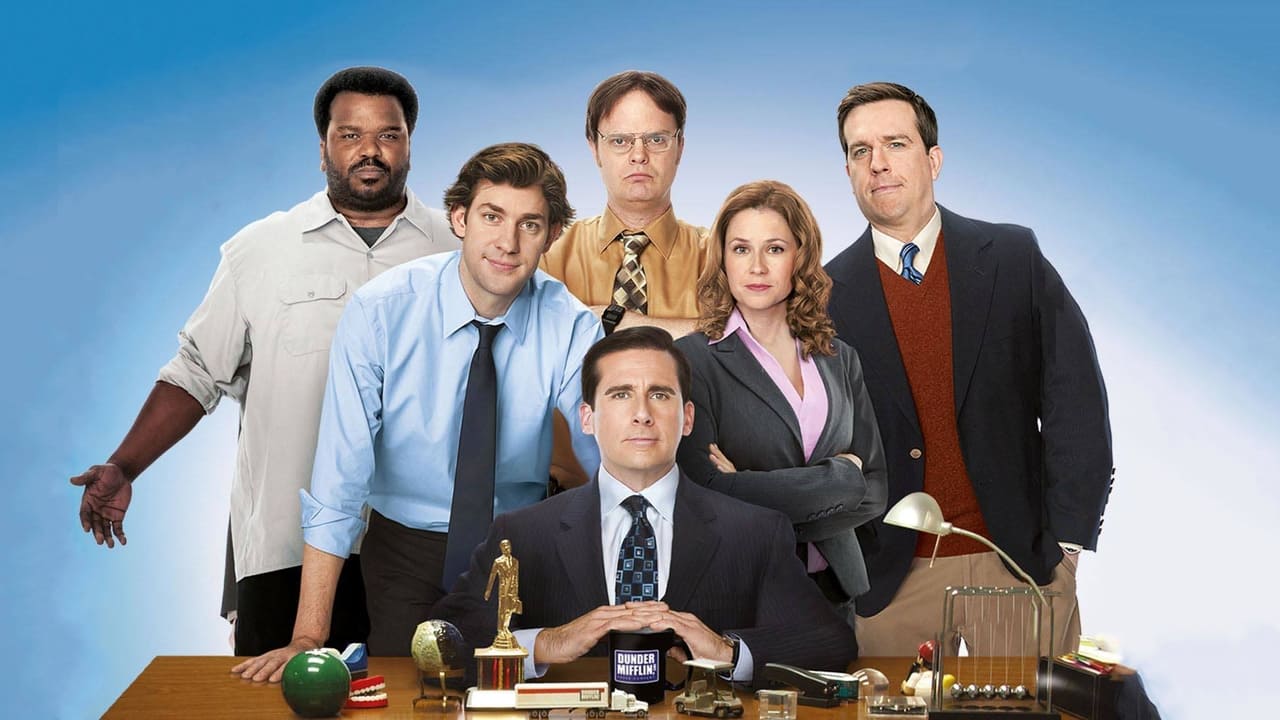
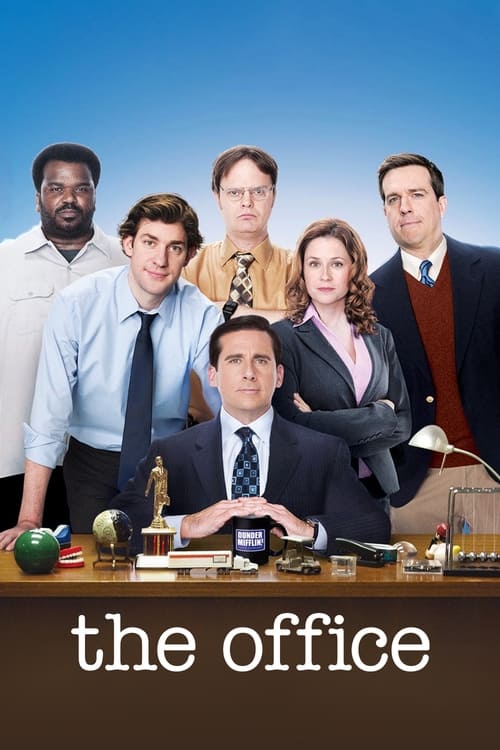
There is a profound audacity in the premise of *The Office* (2005). Set against the aggressively beige backdrop of a dying industry in a mid-sized rust-belt city, the series asks us to find the epic in the trivial. In the era of high-concept television—where audiences were accustomed to mob bosses, island plane crashes, and White House conspiracies—showrunner Greg Daniels, adapting Ricky Gervais and Stephen Merchant’s British masterpiece, dared to suggest that the most compelling theater of the human experience might just be a conference room in Scranton, Pennsylvania.
The genius of *The Office* lies not in its jokes, which are plentiful, but in its visual and atmospheric discipline. By committing to the mockumentary format, the series stripped away the protective layer of the laugh track, leaving its characters naked in the silence. The camera, operated with the shaky, zooming curiosity of a documentarian, becomes the show’s silent protagonist. It does not merely record; it interrogates. When the lens zooms past a partition to catch a fleeting look of heartbreak on Pam Beesly’s face, or snaps quickly to Jim Halpert’s widened eyes, it creates a voyeuristic intimacy that standard sitcoms cannot replicate. We are not watching a performance; we are co-conspirators in the awkwardness.
This visual language serves the show’s central thesis: the desperate, often excruciating human need for connection. At the center of this storm is Michael Scott, played with Shakespearean tragicomic depth by Steve Carell. In the show’s first season, Michael was a carbon copy of the British original’s David Brent—a callous, unlovable boor. However, the American adaptation made a crucial pivot in its second season, transforming Michael from a villain into a man suffocating under the weight of his own loneliness. His incompetence is staggering, but it is eclipsed by his overwhelming desire to turn his coworkers into a surrogate family. When Michael creates chaotic, cringe-inducing seminars, he is not just wasting time; he is begging to be seen, to be necessary, to be loved.
The show’s optimism—a stark departure from the cynical nihilism of its British predecessor—is anchored by the romance of Jim and Pam. Their arc is a masterclass in restraint. For seasons, their love story was told in glances, in the brush of a hand, and in the electric silence of things left unsaid. It validated the quiet dignity of the "boring" life, suggesting that a romance forged over photocopiers and reception desks carries as much weight as any sweeping cinematic love affair.
Ultimately, *The Office* is a meditation on the passage of time. Over nine seasons, we watch these characters age, stumble, and evolve within the fluorescent-lit purgatory of Dunder Mifflin. The series finale delivers a poignant thesis statement through Pam: "There’s a lot of beauty in ordinary things. Isn’t that the kind of point?" It is a striking conclusion. The show elevates the drudgery of the 9-to-5, arguing that our coworkers—the people we are forced to endure simply because we share an economy—are not just background noise. They are the witnesses to our lives, the accidental family we construct to survive the quiet. *The Office* remains a triumph not because it made the workplace funny, but because it made the ordinary sacred.