✦ AI-generated review
The Ledger of Lost Souls
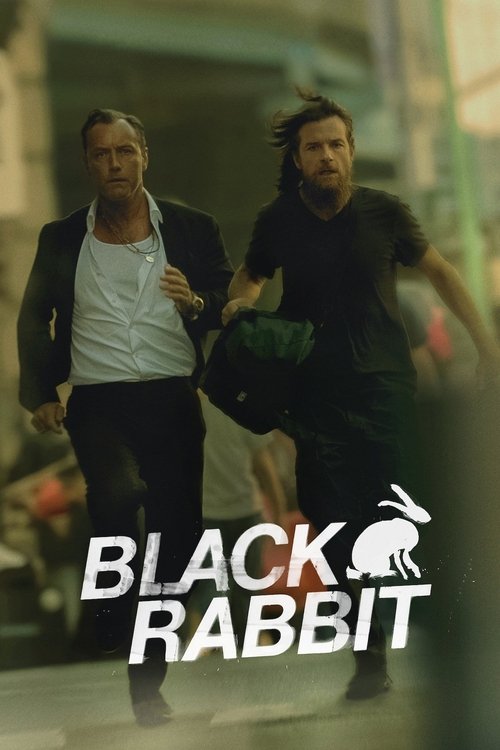
There is a specific frequency of anxiety that modern television loves to broadcast—a hum of impending doom that vibrates beneath expensive suits and dimly lit interiors. Netflix’s *Black Rabbit*, an eight-part limited series created by Zach Baylin and Kate Susman, tunes its entire orchestra to this frequency. It is a show that desperately wants to be the bastard child of *Uncut Gems* and *Succession*, wrapped in the blue-grey palette of a bruised New York winter. While it occasionally collapses under the weight of its own grim self-seriousness, it survives on the combustible chemistry of its leads, offering a portrait of brotherhood that is as toxic as it is undeniable.
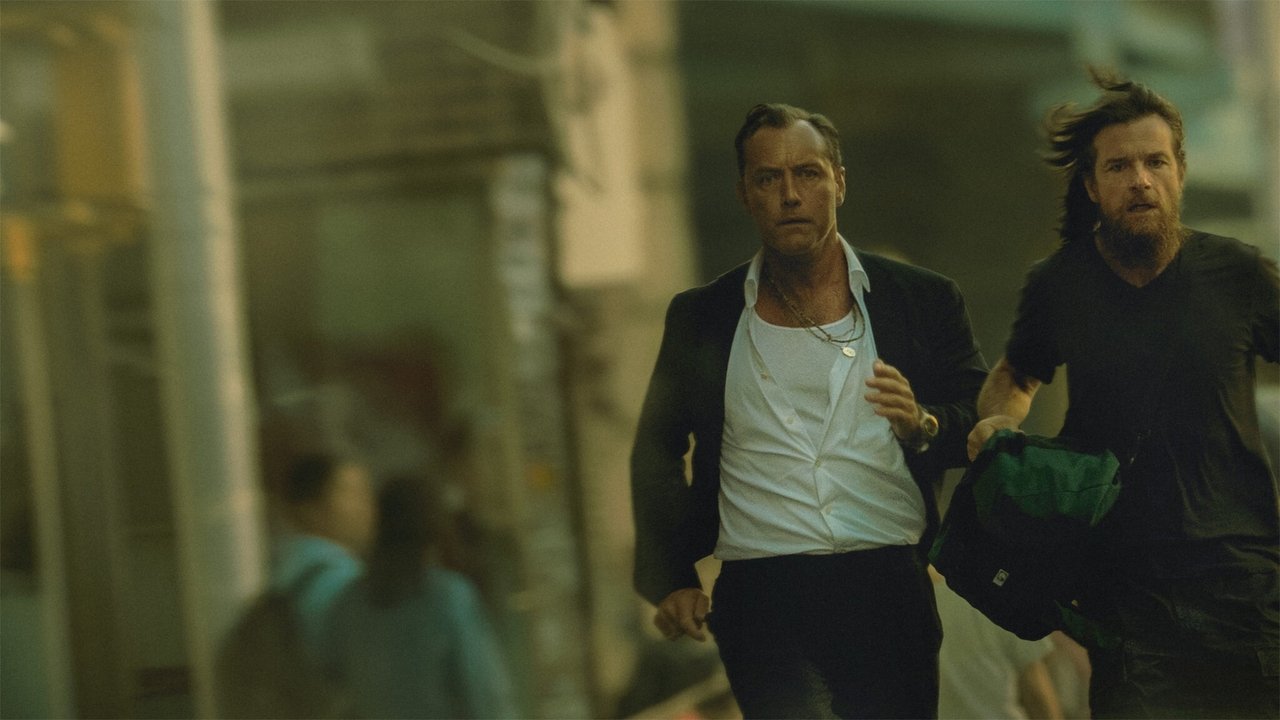
The premise is a classic noir setup: Jake Friedken (Jude Law) is the smooth-talking face of the "Black Rabbit," a trendy Manhattan hotspot where the lighting is low and the clientele is curated. He is the picture of fabricated success—the "fake it ‘til you make it" ethos made flesh. Enter Vince (Jason Bateman), his brother, a chaos agent with a gambling addiction and a six-figure debt to a deaf mobster (played with terrifying, silent menace by Troy Kotsur). Vince is the ghost at the feast, the physical manifestation of the rot beneath Jake’s polished floorboards.
Visually, the series is an exercise in claustrophobia. Directors Jason Bateman and Justin Kurzel shoot New York not as a city of lights, but as a series of cages: the cramped back office of the restaurant, the suffocating interior of a black car, the narrow hallways of a childhood home ripe for arson. The camera lingers on damp pavements and shadowed corners, creating a "suffocating sense of reality" where the walls are always closing in. The restaurant itself—supposedly a place of joy and consumption—feels more like a gladiatorial arena where Jake performs his desperate pantomime of control.
The heart of the series, however, lies in the tragic, magnetic repulsion between Law and Bateman. Law, sporting an American accent that feels intentionally practiced, plays Jake as a man hollowed out by his own ambition. He is Cain trying to save Abel, only to realize he might be the one holding the rock. Bateman, stepping away from the reactive straight-man archetype he perfected in *Ozark*, leans into a crunchier, pathetic desperation.
A pivotal scene early in the series encapsulates their dynamic: a flashback involving a "fake watch" their father gave them. It serves as the show’s central metaphor—the idea that value is purely a construct of belief. Jake believes he can act his way into legitimacy; Vince knows they are both frauds, but he’s the only one honest enough to admit it. This philosophical divide transforms their bickering into a profound commentary on the American dream of reinvention.
Ultimately, *Black Rabbit* is an imperfect beast. At eight hours, the narrative tires are visibly spinning in the middle episodes, a common symptom of the "limited series" era where a tight two-hour film is stretched into a season. Yet, when the show stops worrying about its crime-thriller mechanics and focuses on the silent, resentful stares between two brothers who know each other too well, it achieves something haunting. It suggests that the most dangerous debts aren’t owed to loan sharks, but to the people who share our blood.