✦ AI-generated review
The Reflection That Bites Back
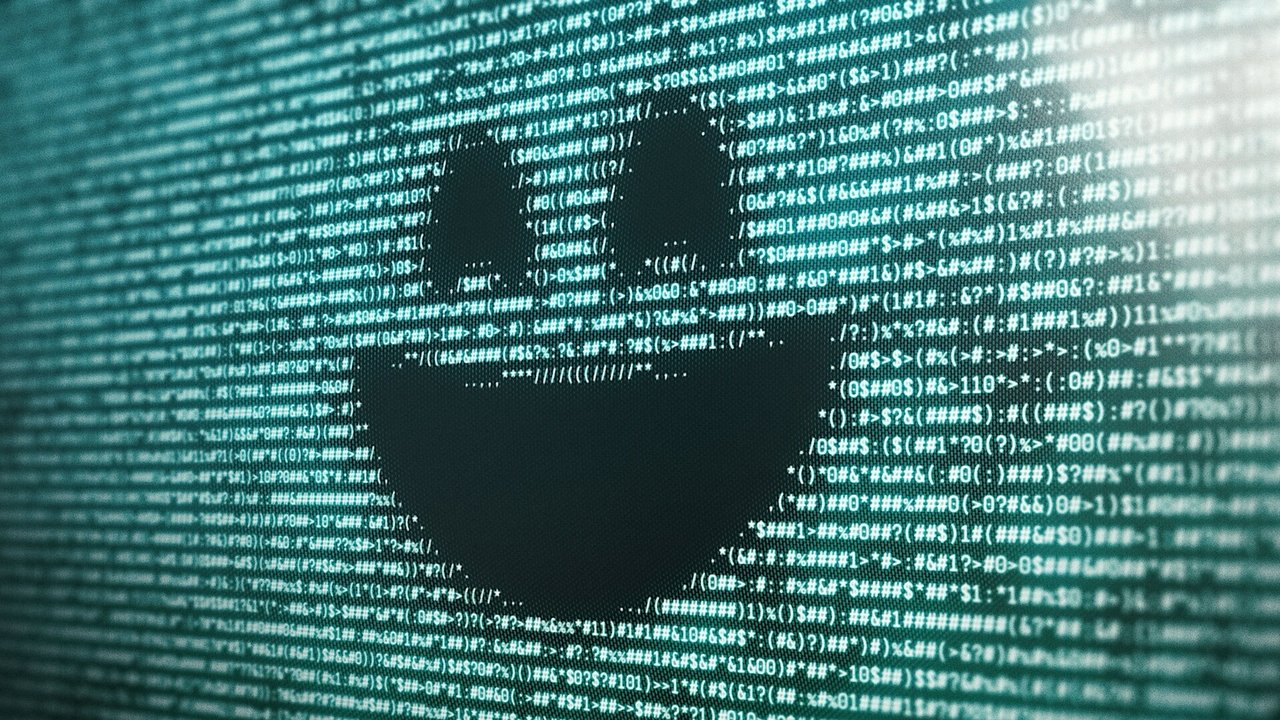
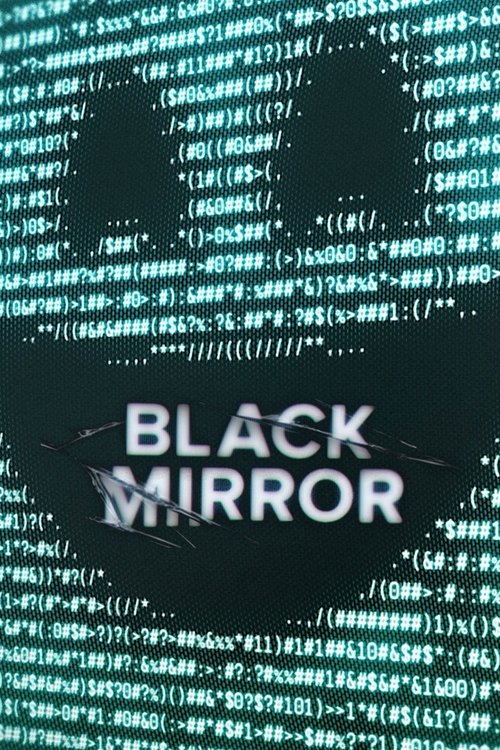
When Charlie Brooker first introduced *Black Mirror* in 2011, the title was a clever, literal nod to the cold, dark surfaces of our powered-down iPhones and televisions. Today, that title feels less like an observation and more like a threat. In the decade since its premiere, this anthology series has transitioned from a niche British satire into a global behemoth that doesn't just predict the future—it seems to be racing reality to the finish line. The show’s evolution from Channel 4’s gritty cynicism to Netflix’s polished, star-studded grandiosity mirrors our own descent into a digital age where the line between user and product has vanished entirely.
Brooker’s directorial ethos—though he is the writer and showrunner, the visual language remains singularly his—is one of clinical detachment. The camera in *Black Mirror* often observes its subjects with the unblinking, dispassionate gaze of a surveillance drone. In early episodes like *The Entire History of You*, the aesthetic was intimate and suffocating, trapping us in domestic spaces where technology (the "Grain") amplified jealousy into madness. As the series moved to Netflix, the visual scope widened, trading the grey skies of London for the saturated pastels of *Nosedive* or the retro-neon warmth of *San Junipero*. Yet, even in its most beautiful moments, the frame is often imprisoning. The clean lines and minimalist interfaces that populate the show’s world are designed to look inviting, masking the rot beneath. The horror is rarely in the shadows; it is in the high-definition brightness of a life lived entirely for an audience.
At its core, however, *Black Mirror* has never truly been about the "evil" of technology. To view it merely as a Luddite’s warning is to miss the point. The technology is simply the scenery; the villain is always human frailty. The writers understand that an algorithm cannot destroy a life without a user’s permission. Take the Season 6 opener, *Joan Is Awful*, a meta-fictional ouroboros where a woman finds her life adapted into a drama by a streaming service called "Streamberry." The terror here isn't the quantum computer generating the show; it is the collective appetite of the audience who *want* to watch Joan suffer because it validates their own mediocrity. The series acts as a test of empathy, asking not what the machine will do to us, but what we will do to each other once the machine gives us the capability.
The show’s recent pivot in Season 6—venturing into supernatural horror with episodes like *Demon 79*—suggests a fascinating identity crisis. Perhaps Brooker realized that the modern news cycle has become too absurd to satirize with mere sci-fi. When reality outpaces the dystopian fiction, the satirist must find new ghosts to chase.
Ultimately, *Black Mirror* remains essential viewing not because it is always perfect—its cynicism can sometimes feel like a trap of its own making—but because it forces us to confront the "user error" in our own souls. It is a series that demands we look at the screen, see our own reflection, and acknowledge that the glitch isn't in the system. It’s in us.