The Gilded Cage of DutyIf *The Godfather* is the great American epic about a family corrupted by crime, *The Crown* is the great British epic about a family suffocated by duty. For six seasons, showrunner Peter Morgan did not just chronicle the reign of Queen Elizabeth II; he curated a high-budget thesis on the erasure of the self. While the series began in 2016 as a pristine example of "prestige TV"—all breathless reverence and mid-century glamour—it concluded in 2023 as something far more complex and controversial: a mirror that got uncomfortably close to the faces of its living subjects.
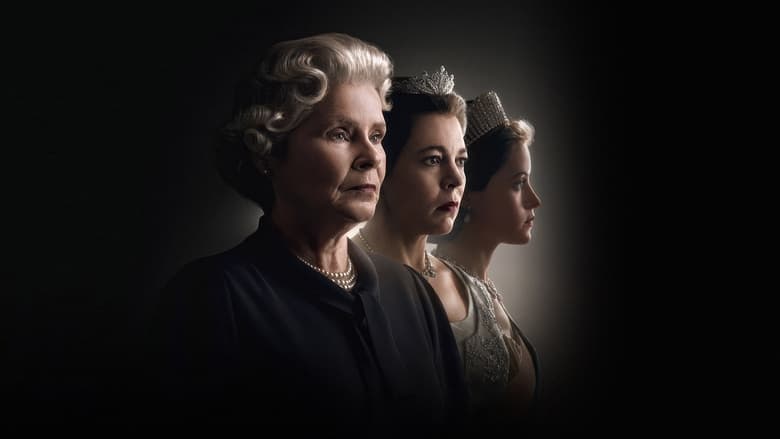
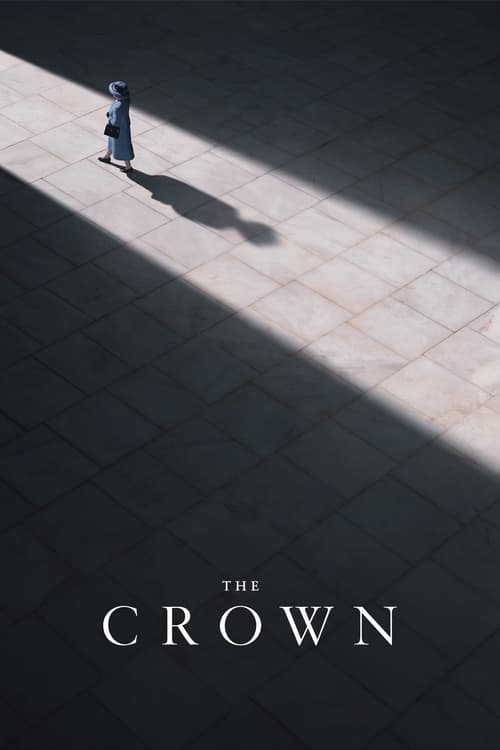
Visually, the series is a triumph of cold, calculated opulence. Cinematographer Adriano Goldman established a visual language that evolved with the decades, yet never lost its essential, chilly DNA. The camera often lingers on the characters through doorways, windows, or the vast, empty corridors of Buckingham Palace, framing them as prisoners in their own homes. The lighting is rarely warm; it is the grey, diffuse light of a drizzly English afternoon, penetrating the thick velvet drapes of power. This is not a world of warmth, but of preservation. The sets are undeniably grand, but they are shot to emphasize the isolation of the monarch—a tiny figure swallowed by the weight of history and architecture.
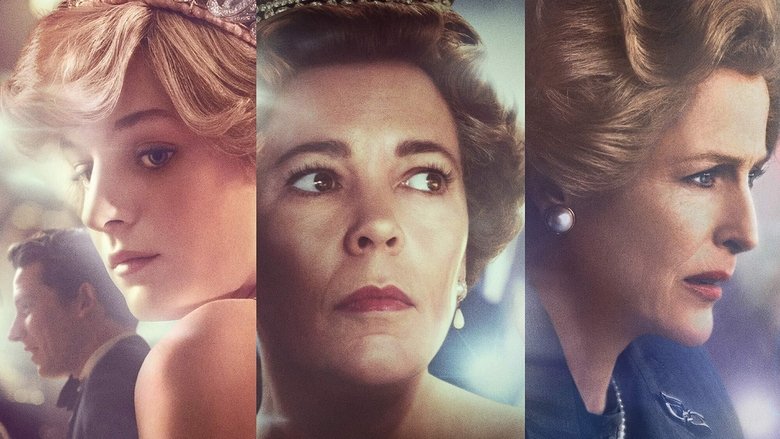
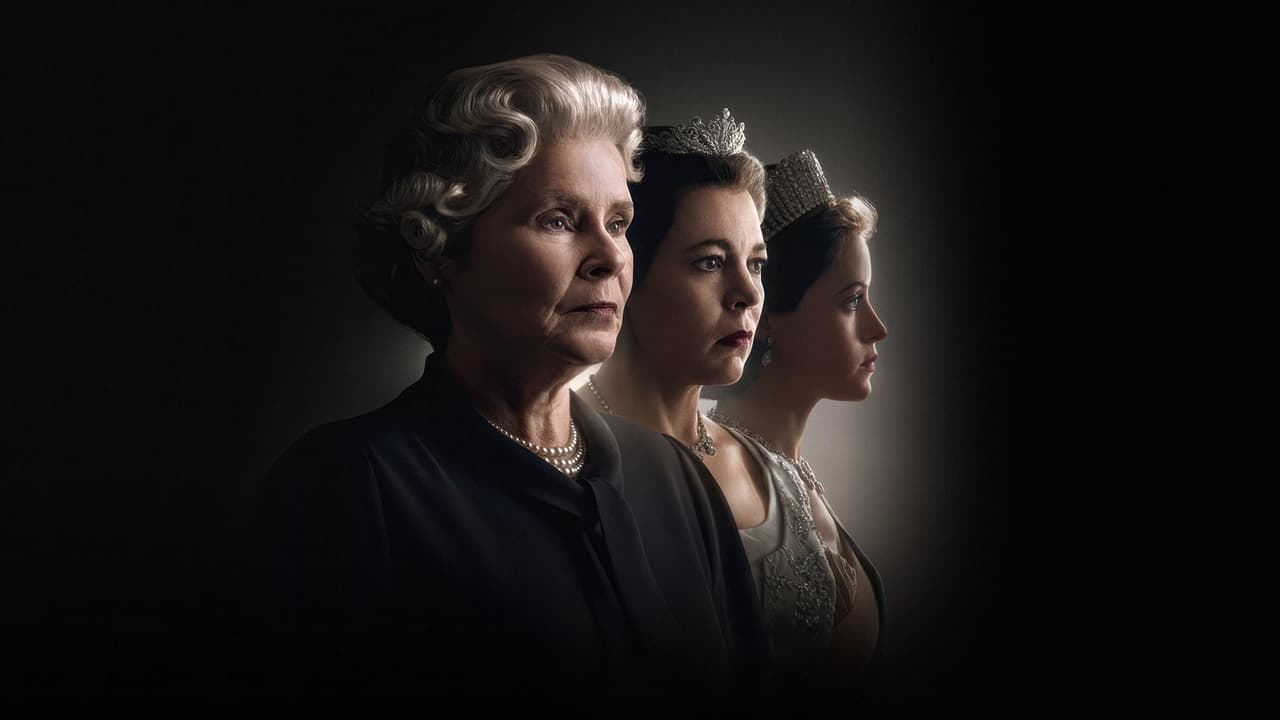
The heart of the series lies in its ambitious casting structure, a "passing of the baton" that became the show’s defining gamble. We watched the youthful, terrified resolve of Claire Foy harden into the middle-aged, stoic frustration of Olivia Colman, before finally settling into the weary, calcified duty of Imelda Staunton. While the final seasons drew sharp criticism for descending into "tabloid" territory—particularly regarding the tragic saga of Diana—the central tragedy remained poignant. The show posits that the Crown is a parasite that feeds on the host. To wear it, Elizabeth Windsor had to slowly kill off the woman she might have been. The "Ghost Diana" scenes in the final season, widely mocked, were perhaps a clumsy execution of a correct thematic idea: that the monarchy is haunted by the human vitality it destroys to survive.
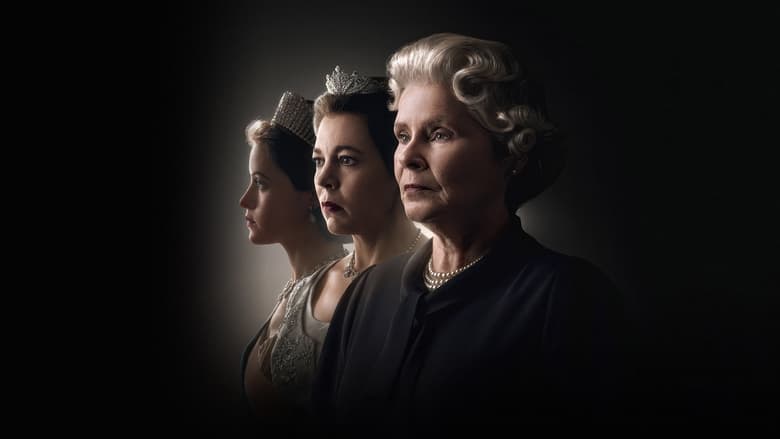
Ultimately, *The Crown* stands as a monumental achievement in long-form storytelling, even if it stumbled near the finish line. It demystified the divine right of kings, replacing it with a portrait of a dysfunctional family trapped in a golden amber. It asks a question that resonates far beyond the British Isles: Is the stability of an institution worth the happiness of the individuals inside it? The series finale, which sees the Queen engaging with her younger selves, offers a quiet, devastating answer. It was never about ruling; it was about enduring. And in that endurance, *The Crown* found its most profound, and sorrowful, beauty.