The Architecture of AnxietyIf cinema is a dream, then the police procedural is a metronome—a device designed not to transport us, but to regulate our pulse. In the vast, expanding universe of Dick Wolf (the architect behind *Law & Order* and the *Chicago* triumvirate), the 2018 series *FBI* arrives not as a revolution, but as a brutalist monument to competence. It is a show that functions less like a story and more like a piece of heavy machinery, humming with the specific, comforting rhythm of institutional authority. But look closer at the gears, and you find a fascinating, if unintentional, portrait of modern American anxiety.
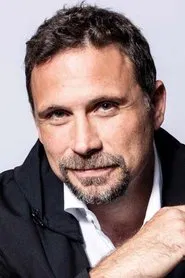
To understand *FBI*, one must first acknowledge its visual language, which departs significantly from the moody noir of prestige TV. The series, set in the New York field office, is bathed in a clinical, almost aggressive brightness. The "Joint Operations Command" center is a cathedral of screens and glass, where Jeremy Sisto’s Jubal Valentine conducts a symphony of surveillance. The camera glides through this space with a predatory smoothness, emphasizing not the individuals, but the *network*. The aesthetic is one of total visibility; there are no shadows in this world, only data points waiting to be connected. It suggests a comforting, if dystopian, fantasy: that with enough screens and enough eyes, chaos can be contained.

However, the show’s "assiduously non-political" stance—a claim Wolf has made repeatedly—is its most revealing contradiction. By attempting to strip the narrative of partisan politics, *FBI* inadvertently indulges in the politics of fear. The pilot episode famously opens with a bomb detonating in a residential building within the first few minutes. This is the show's baseline: a world perpetually on the brink of detonation. The threats are rarely systemic or sociological; they are immediate, violent, and external. In refusing to engage with the "why" of crime, the series doubles down on the "how" of stopping it. It creates a vacuum where the only moral imperative is the immediate preservation of order, rendering the agents not as characters, but as antibodies attacking a virus.

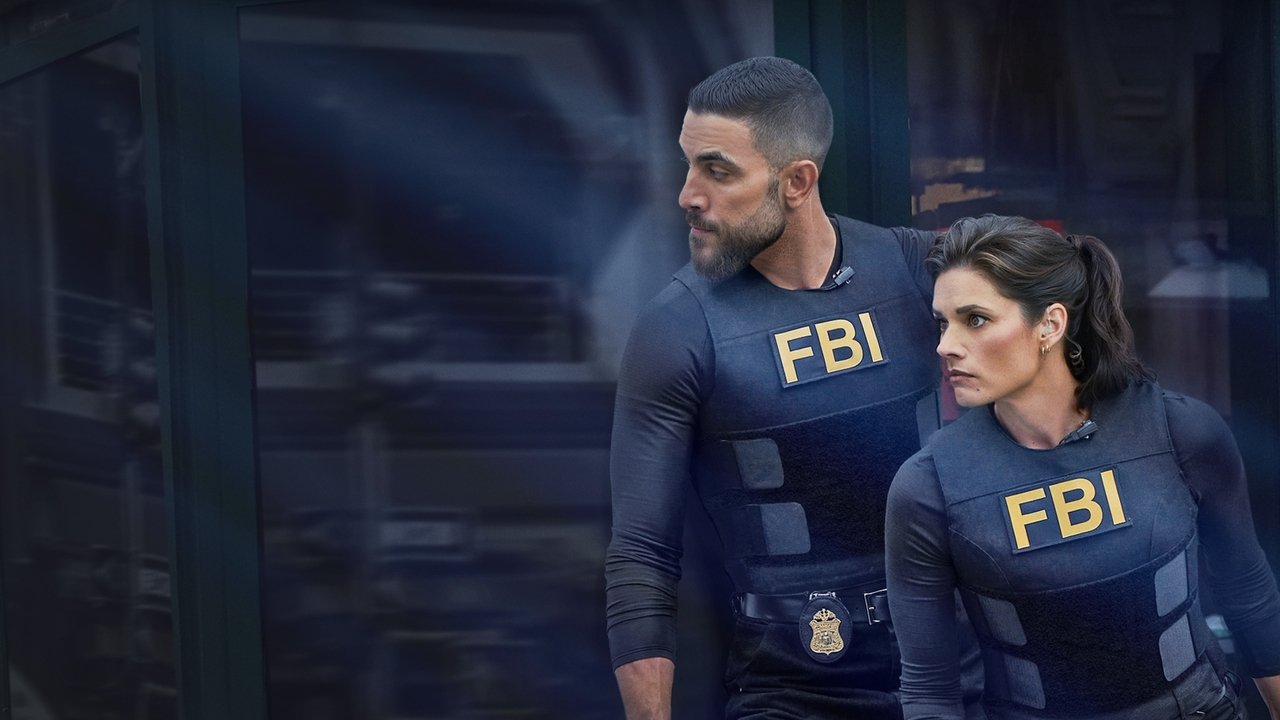
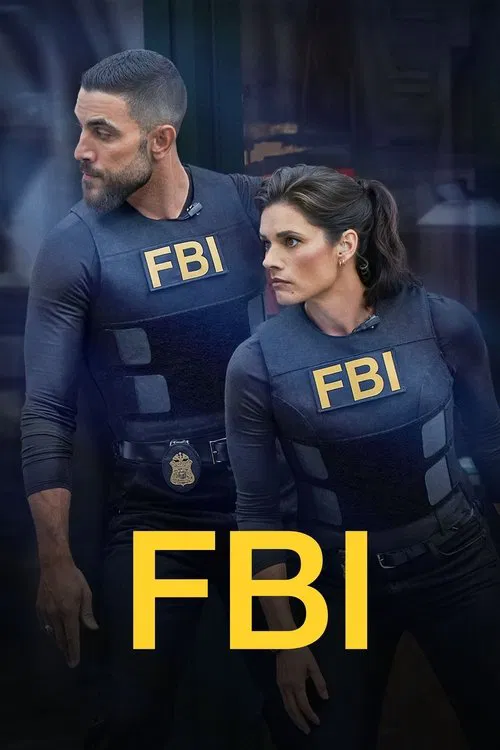
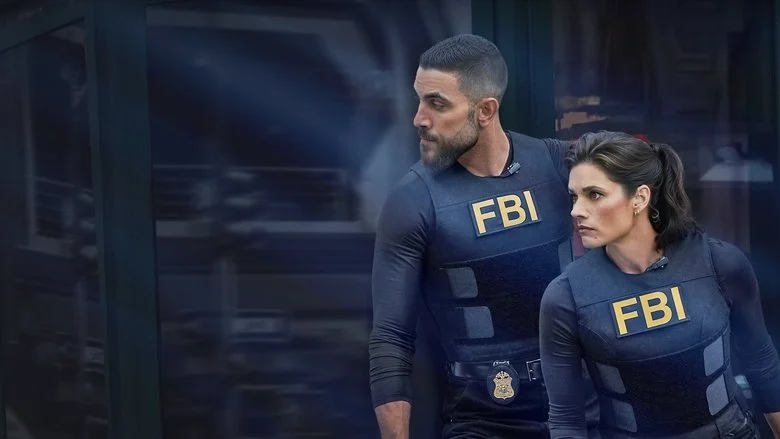
Yet, the show finds its soul in the quiet friction between its leads, Special Agents Maggie Bell (Missy Peregrym) and Omar Adom "OA" Zidan (Zeeko Zaki). In a landscape of procedurals that often force romance, their partnership is refreshing for its stoicism. Peregrym plays Bell with a brittle resilience, a widow who has replaced grief with duty. Zaki’s OA, a Muslim Arab-American and former undercover agent, navigates a more complex identity, often serving as the show’s reluctant conscience regarding racial profiling and surveillance. Their chemistry is not sexual but professional—a shared recognition of the toll that "keeping the city safe" takes on the human spirit. They are the ghosts in the machine, finding fleeting moments of humanity in the elevators and SUVs between crises.
Ultimately, *FBI* is a mirror reflecting a society that is terrified of the unknown and desperate for the reassurance of procedure. It does not challenge the status quo; it fortifies it. While it may lack the grit of *The Wire* or the psychological depth of *Mindhunter*, it succeeds as a modern fable of control. It reassures us that no matter how loud the explosion, there are people in a well-lit room, wearing earpieces, who can restore the silence.